World-class spaces
Built for discovery
Five buildings and a vineyard give students, scholars and researchers the space to collaborate, experiment and respond to the next challenge.
The Founding Gift
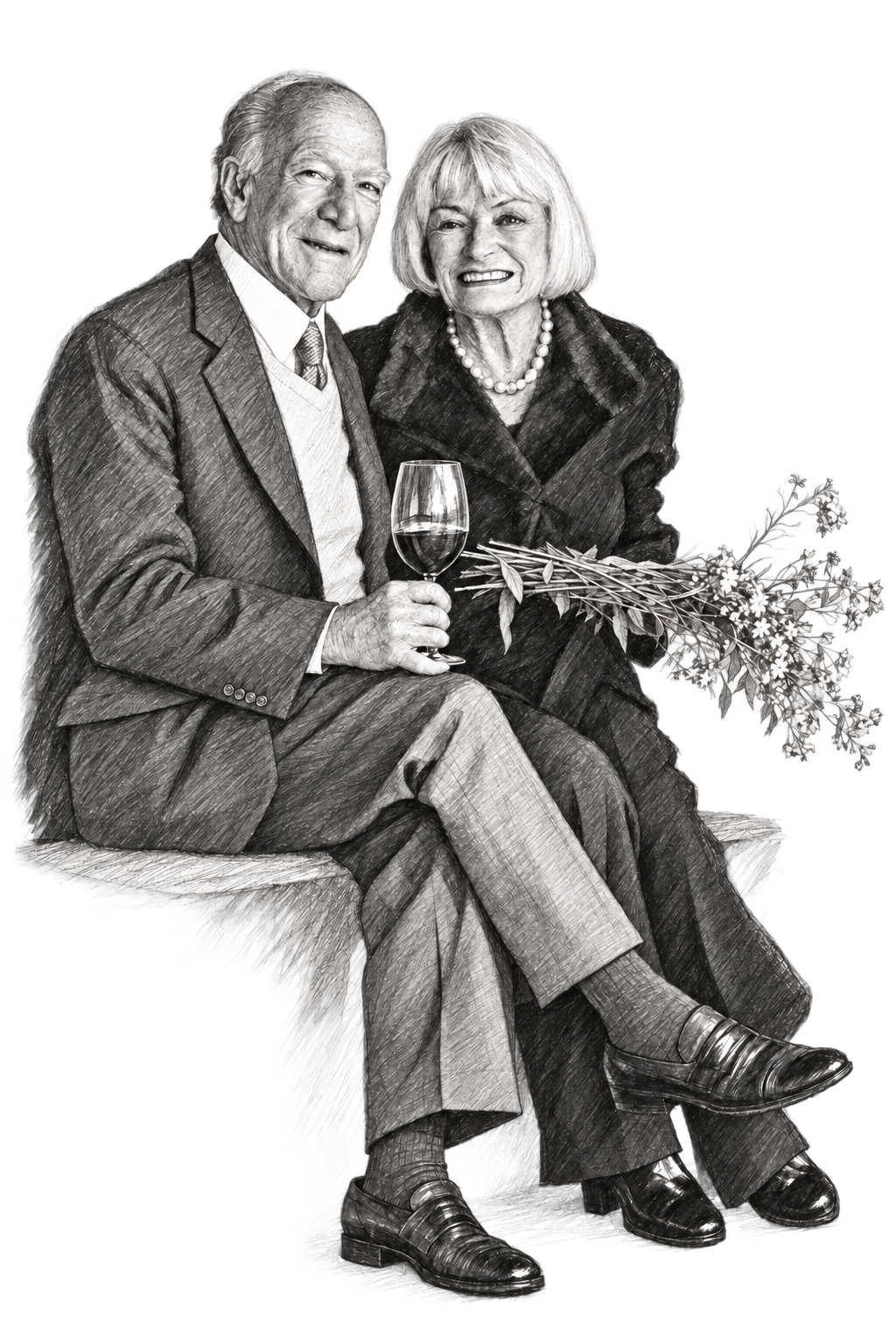
In 2001, Robert and Margrit Mondavi family gave UC Davis $25 million to establish the Robert Mondavi Institute for Wine and Food Science to study, advance and improve wine, brewing and food sciences.
The transformational gift set in motion the development of world-class teaching and research spaces clustered among five buildings and a vineyard.
A quarter-century later, the RMI is a place of groundbreaking discoveries, collaborations and educational offerings attracting top-notch students, scholars and researchers. The gift also helped propel the campus into a green building revolution. And it set in motion a legacy of giving that remains today.
“Wine to me is passion. It’s family and friends. It’s warmth of heart and generosity of spirit.”
25 Years
2001
Robert Mondavi makes a personal gift of $25 million to establish the Robert Mondavi Institute for Wine and Food Science within the College of Agricultural and Environmental Sciences.
2002
The Anheuser-Busch Foundation pledges $5 million in matching funds to support construction of a new brewing and food science laboratory building to be located next to the institute’s academic complex.
2005
Groundbreaking ceremony for the Robert Mondavi Institute.
2008
Grand opening of the Robert Mondavi Institute North, South, and Sensory buildings, together comprising a 129,000 sq. ft. state-of-the-art academic complex enabling the university’s winemaking, brewing, and food science programs to relocate under one roof for the first time. With support from the College of Agricultural and Environmental Sciences, the UC Davis Olive Center is formally established.
2009
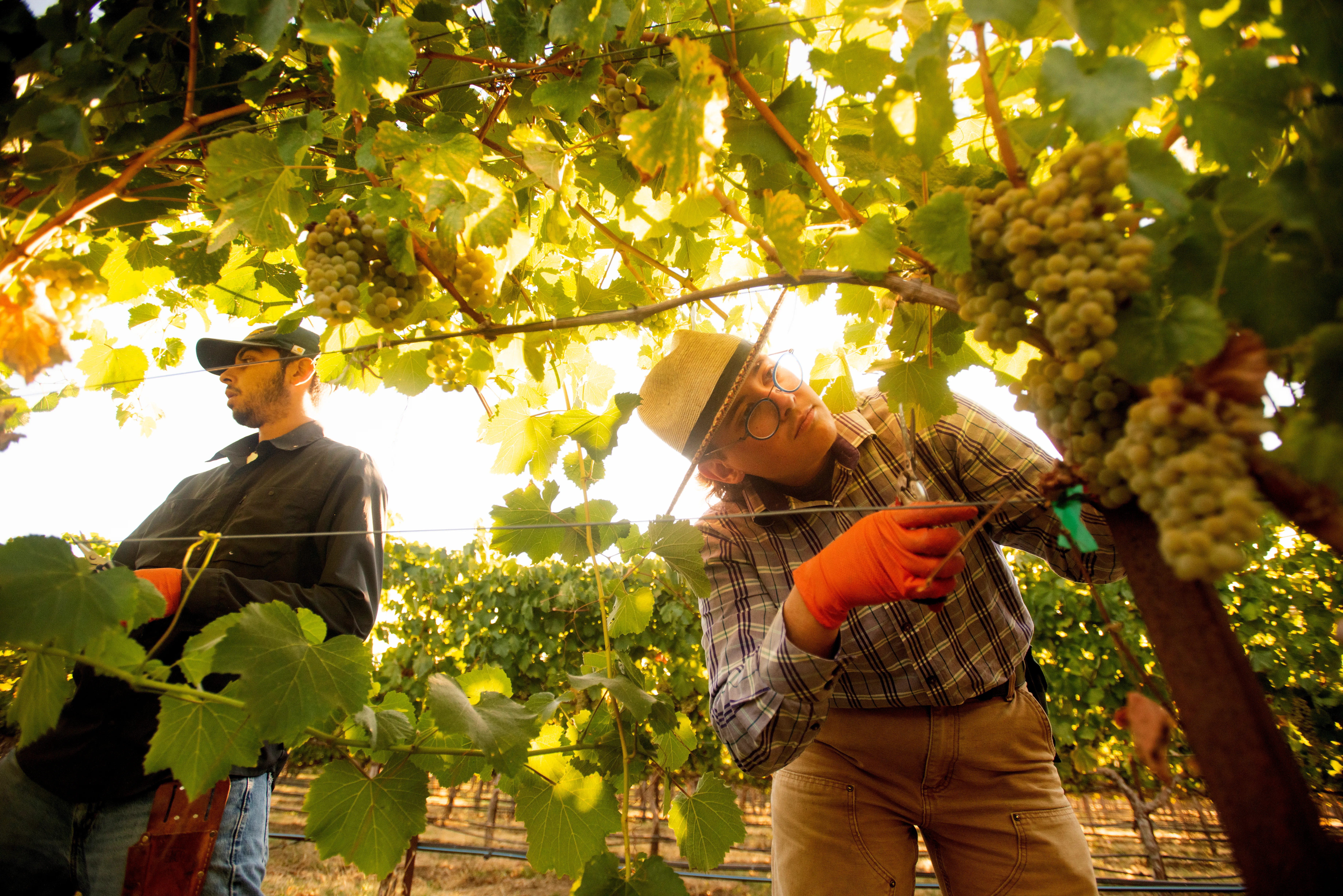
5,000 vines, comprised of nearly 300 types of wine grapes, are planted in the university’s on-campus teaching vineyard.
2010
The institute opens the world’s first winery, brewery, and food and dairy processing facility certified as Leadership in Energy and Environmental Design (LEED) Platinum by the US Green Building Council. The 34,000 square-foot facility, housing both the August A. Busch III Brewing and Food Science Laboratory and the Teaching and Research Winery, was funded entirely by private donations.
2013
The Jess S. Jackson Sustainable Winery Building is completed, becoming the first zero-carbon emission winery. It is the most water-efficient winery in the world.
2014
14 new state-of-the-art 500-gallon fermenters are unveiled in the teaching and research winery, named in honor of several of California’s pioneering wine families for their generous donations, totaling some $700,000.
2016
Renovations to the Good Life Garden allow fruits and vegetables to be harvested and donated to The Pantry, which is committed to ending food insecurity at UC Davis.
Impact
The Mondavi family’s gift brought food science and viticulture and enology together, creating the people, places and partnerships that continue to shape the future of wine, brewing and food.
“It’s difficult to over-emphasize the magnitude of the impact of the gift. This facility inspired the campus to very successfully go green, increased our industry interactions and showed brewing, food and wine industries that you can make facilities that are sustainable.”
World-class spaces
Five buildings and a vineyard give students, scholars and researchers the space to collaborate, experiment and respond to the next challenge.
Sustainability
The Teaching and Research Winery was the first winery in the world to earn LEED Platinum certification, helping set a new campus standard for sustainable facilities.
Partnership
The original gift prompted a cascade of support that continues to strengthen RMI facilities, research and public engagement.
Impact in practice
From alternative-meat development in the pilot plant to large-scale research on wildfire smoke exposure, RMI facilities make it possible to address urgent needs as they emerge.
Celebration
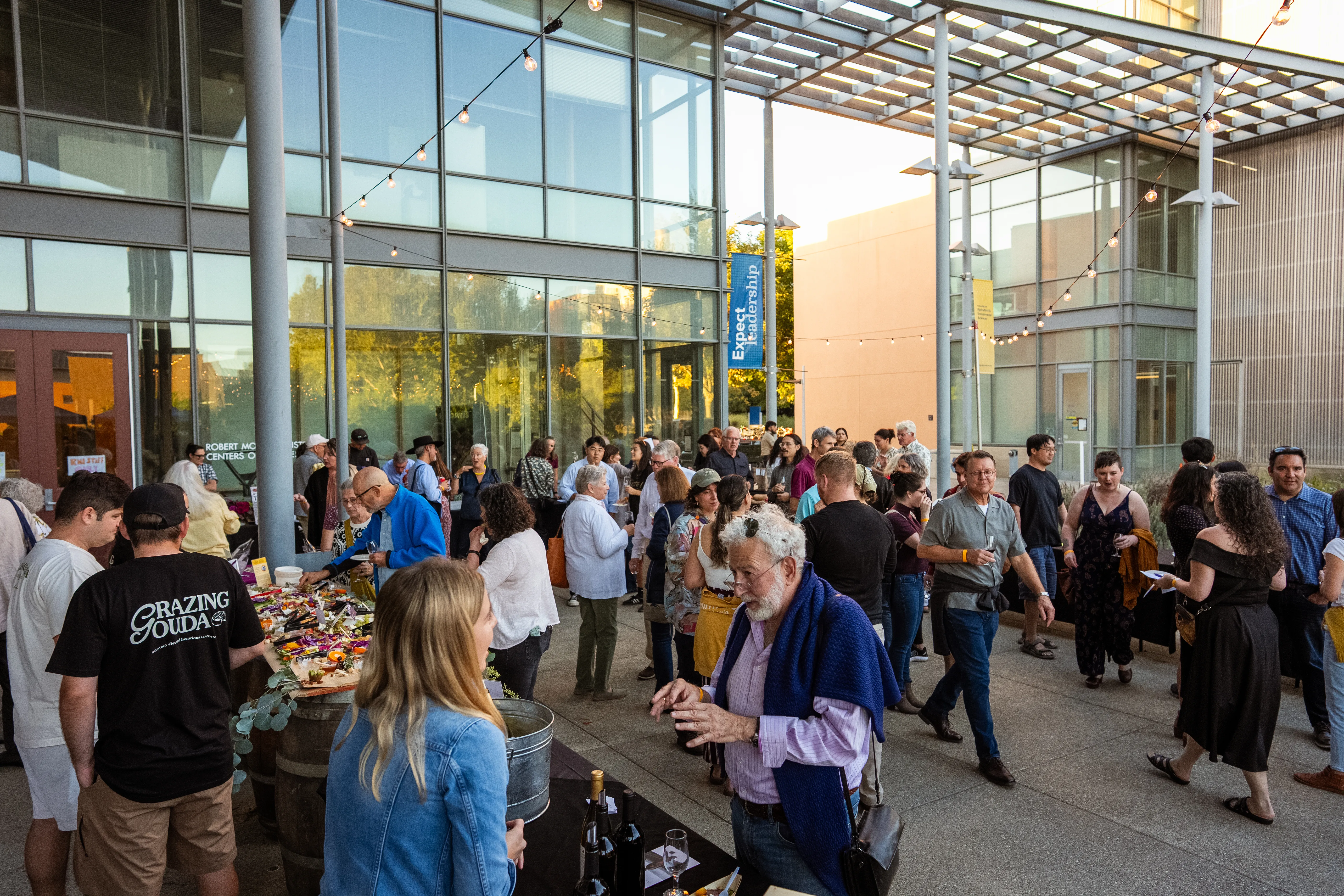
TASTE brings together the people and flavors that make the Robert Mondavi Institute extraordinary: local producers, generous supporters, curious students, and our wider community.